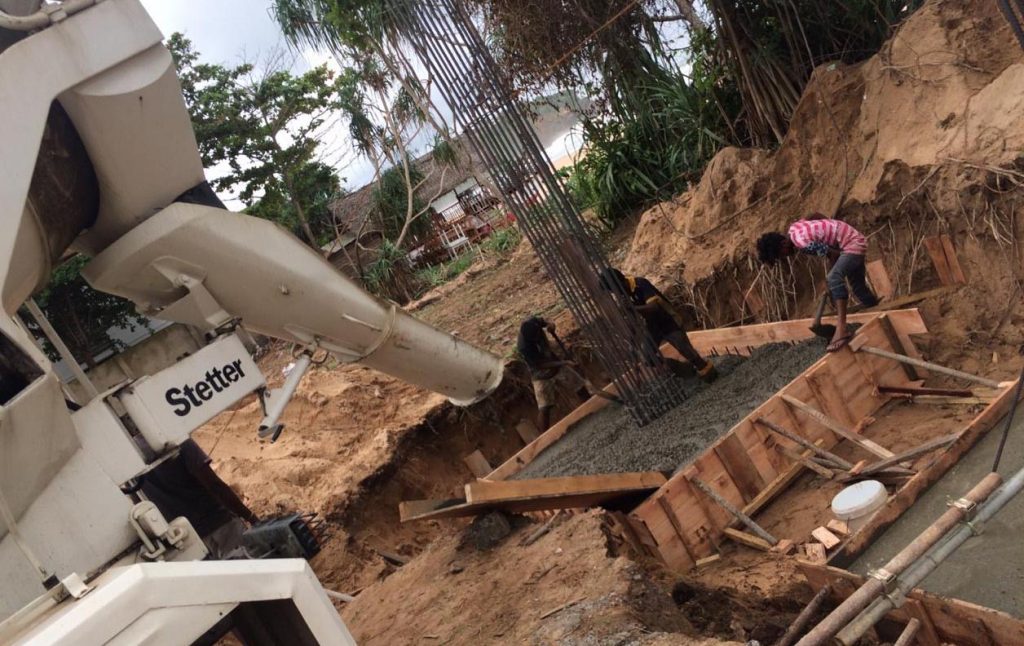
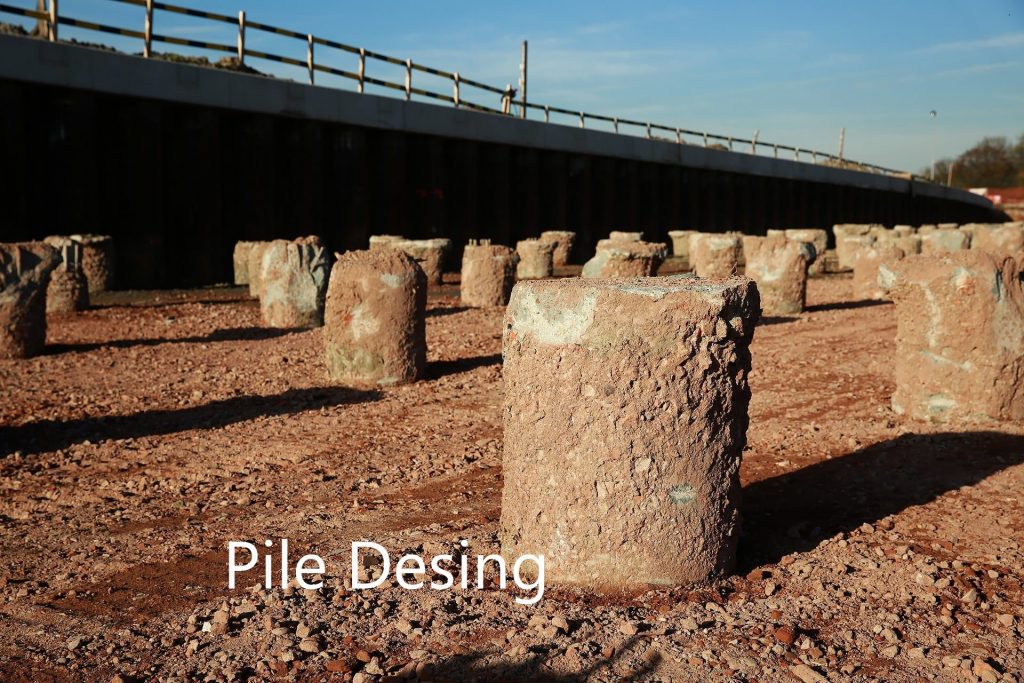
Pad foundations are a widely used and versatile form of foundation used in civil engineering. They are commonly used for transferring loads from columns, walls, and other structural elements to the underlying soils. In this article, we’ll explore the advantages and disadvantages of pad foundations, so that civil engineers can make an informed decision when considering their use.
What is Pad Foundation
Pad foundation is a kind of shallow foundation. It is an individual footing constructed to support column. The purpose of the pad footing is to transfer the super structure loads safely to the ground. Among the other shallow foundations such as combined footings, strip footings, raft foundations, etc., pad footings are more popular.
Advantages of Pad Foundations
- One of the advantages of pad foundations is that they can be easily adapted to changes in the soil conditions. This is because the pad foundation rests on a large area, which distributes the loads evenly and prevents excessive settlements.
- Another advantage of pad foundations is that they are suitable for use in both soft and firm soils. This is because the loads are distributed evenly over the large bearing area, preventing excessive settlements.
- Pad foundations are also relatively easy and economical to construct. This is because they require less excavation than other types of foundation, such as strip or trench foundations.
- It can be designed to accommodate tight sites.
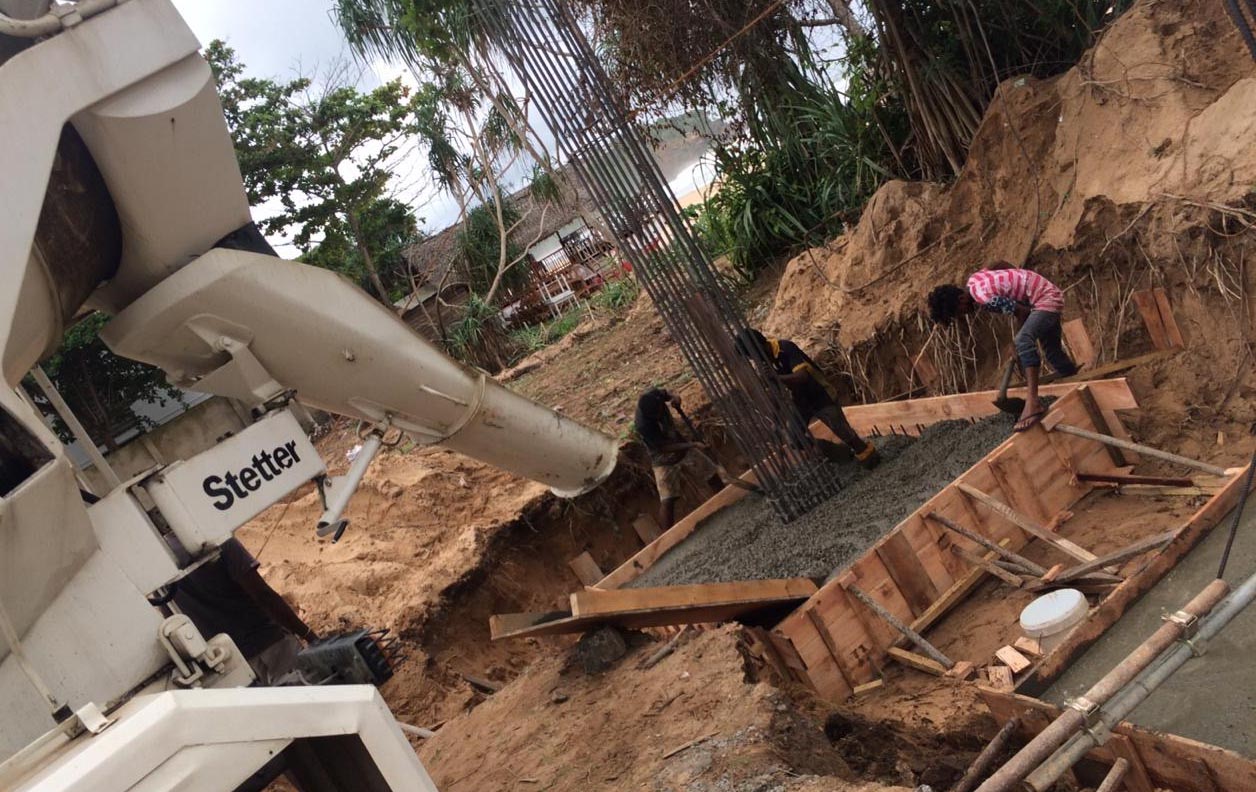
Disadvantages of Pad Foundations
- One of the disadvantages of pad foundations is that they are not suitable for use in very soft soils. This is because the loads are distributed over a large area, which can cause the foundation to sink into the soil.
- Another disadvantage of pad foundations is that they can be subject to uneven settlements. This is because the loads are not always evenly distributed over the large bearing area.
- Finally, pad foundations can be susceptible to damage from earth movements, such as landslides and earthquakes. This is because the foundation is not anchored into the ground, and the loads.
As with any type of foundation, there are advantages and disadvantages of pad foundations that must be considered. When used in the appropriate soil conditions, and with proper design and construction, pad foundations can be a versatile and economical solution.